
History & Heritage
Hikurangi sits in a fertile valley north of Whangārei where people have long lived from the land and waterways. Māori communities gathered tuna, flax and other resources from the rivers and repo (swamp), forming deep connections to place that continue today. European settlement in the 19th century brought sawmilling and flax harvesting, and a formal land purchase in 1862 helped establish the township.
The Hikurangi Museum offers a fascinating glimpse into this past, showcasing local treasures and community history. Explore more below to see how Hikurangi’s journey has shaped the vibrant town you find today



Industry and growth
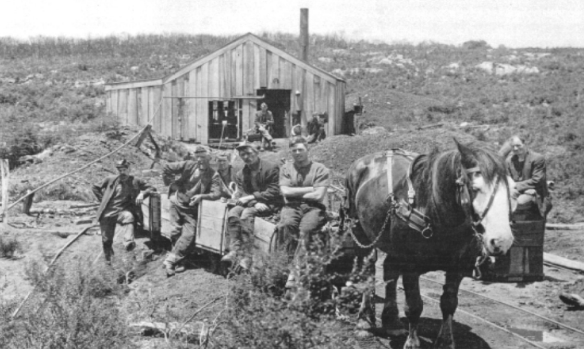
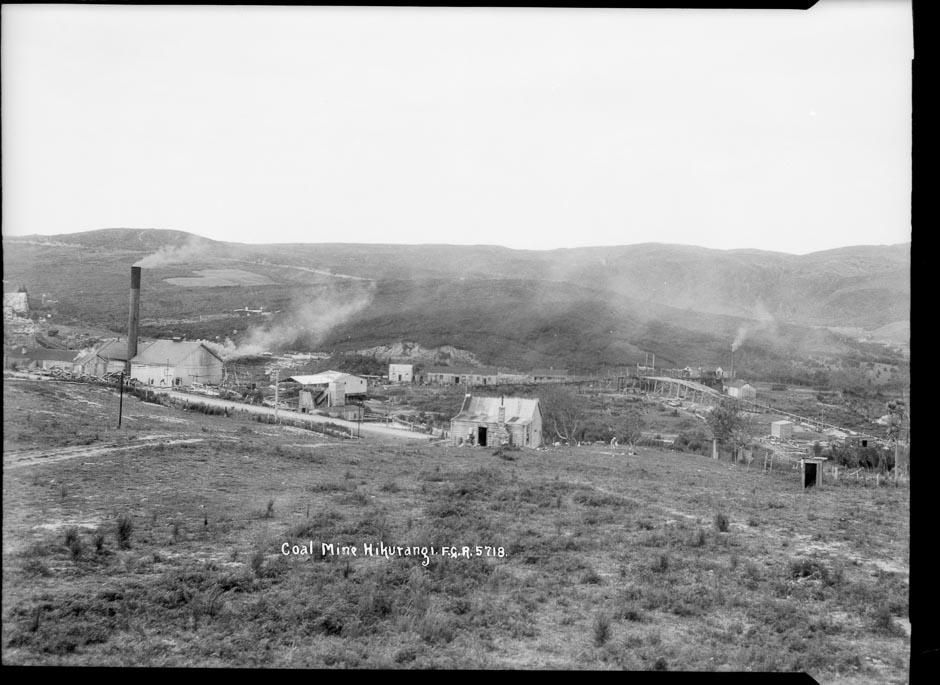
The arrival of sawmills and the extension of a road to Whangārei in the 1870s set Hikurangi on a path of steady development. Coal discoveries in the 1880s and the railway extension in 1894 turned the town into a mining centre, while silver, gold, antimony and mercury were found at nearby Puhipuhi. Dairy, gum digging and limestone quarrying later added to the local economy, and drainage and land‑use changes opened more land for farming.
Community and change
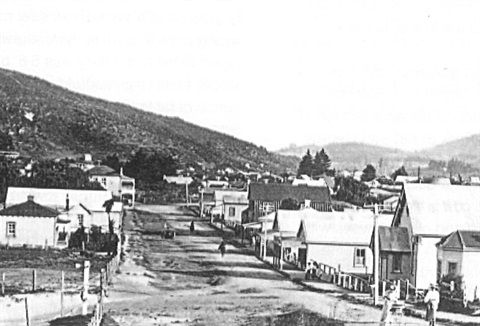
Through the early 20th century Hikurangi grew into a prosperous service town with schools, shops and civic buildings. Mines, mills and farms shaped the town’s character; when the last major coal mine closed in 1948 the community adapted, finding new employment in dairy, fisheries, quarrying and wood processing. The town remains a regional service hub while retaining strong links to its industrial and Māori heritage.
Explore the story
The Hikurangi Museum preserves this layered history with original council, courthouse and jail buildings and a wide collection of photographs and artefacts covering industrial, environmental, military, social and Māori histories


